


Typically, I cover upcoming tournaments for both the PGA and the LPGA, but after polling my audience on the socials, a lot of heads are spinning when it comes to what the hype about the tournaments is and how it’s all calculated and organized.
When I first started getting into golf, not just playing, I was so confused about the different tournaments and the lore around their importance, so I thought I’d break all that down for you on my first edition of the substack version of this newsletter.
Let’s dive in...

First up — the PGA Tour. The men. The drama. And what does FedEx have to do with it all?
Now, before you come for me, YES, we’ll talk about the LPGA too, because those ladies are wildly talented as well, but in the meantime, you can check out a video I did HERE that breaks it down in less than two minutes.
So, how does the PGA Tour actually work? And why is everyone so hyped about it all?
A PGA Tour tournament is basically a four-day golf competition that goes Thursday through Sunday, and it’s where the players play the same course, play 18 holes each day (which sounds incredibly exhausting), and whoever has the lowest total score after all four rounds wins.
That’s it.
That’s the whole thing.
Now, there’s usually somewhere between 120 and 156 players who start the week, but after the first two rounds (Thursday and Friday), there’s a cut (think of it like elimination day on a reality show. IYKYK).
The players outside the top 65 or so - it can vary depending on the tournament - pack their bags, don’t earn much money, and go home. Ooof.
The rest play the weekend and compete for the trophy, the prize money and FedEx Cup points (we’ll get to that in a second).
Regular tournaments pay out around $8-9 million total, with the winner taking home roughly 15% of that. You might hear it be called a “purse” which is ironic considering it’s a men’s tournament, but I digress. The further down on the list the player is in order of where he placed, the payout gets smaller. But still not a bad Sunday for these dudes.

These tournaments happen basically every single week from January through August, all over the country and sometimes internationally. Different courses, different cities, different vibes but roughly the same format every time. Four rounds, lowest score wins, everybody stresses the whole time. Very fun to watch.

🏆 Okay but what’s a major and why does everyone lose their minds?
So, within the regular tournament schedule, there are four tournaments that are just... different. They’re called the majors, and they are the ones that define careers, end debates on who really is the best player, and make grown men cry on national television. No joke. It’s emotional and sweet to watch. Not to say that I like watching grown men cry, but when they win, their little families come running out for hugs and kisses and omg...it’s too cute.
Ok, back to the majors...those four are The Masters, the US Open, The Open Championship (which everyone calls the British Open even though technically you’re not supposed to) and the PGA Championship.
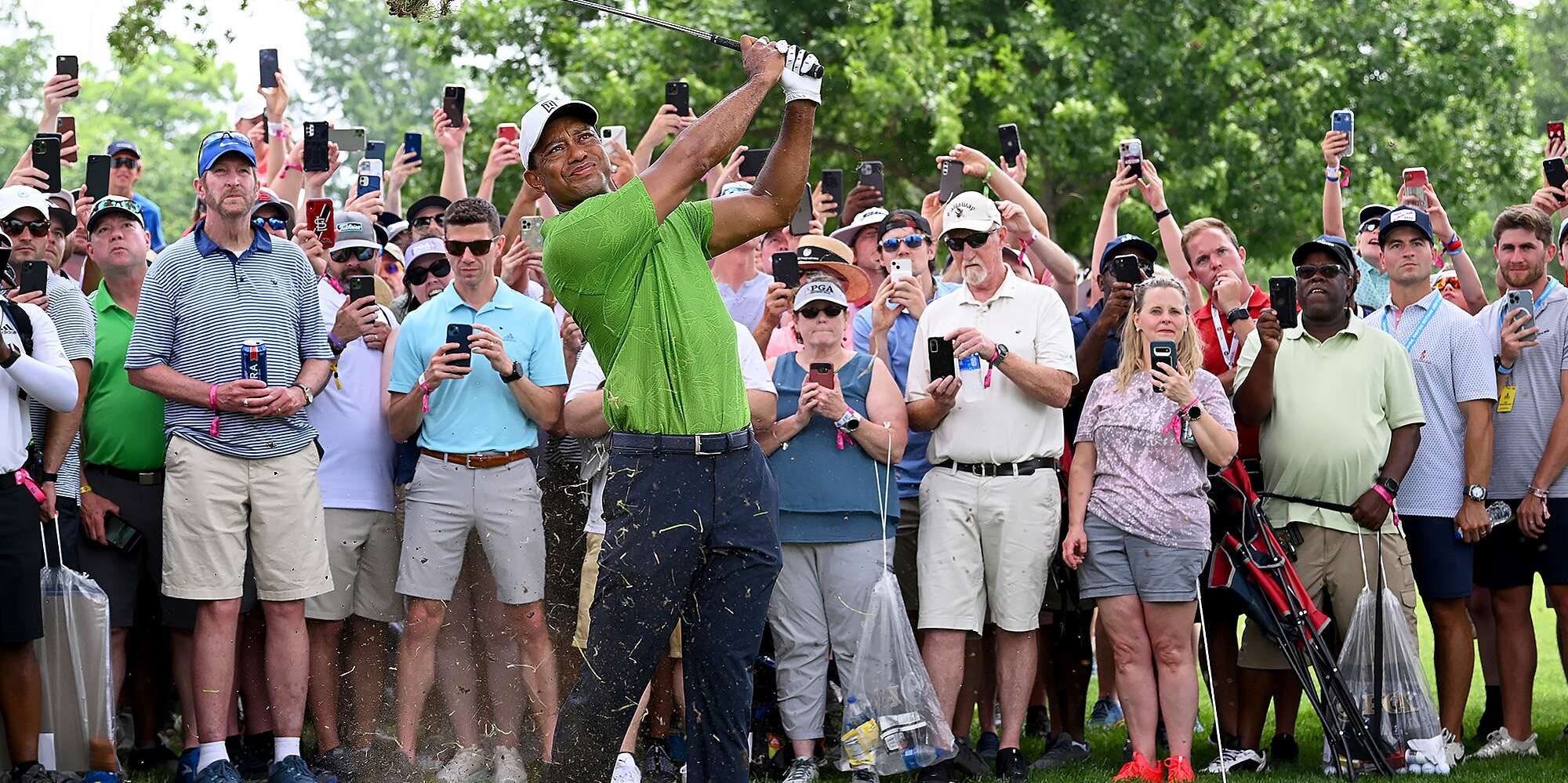
What makes them different isn’t just the prestige, although there is a LOT of prestige, ya’ll. The courses are harder. The fields are more competitive. The history is much heavier. Winning a regular tournament is a massive deal. Winning a major is a whole other category of achievement.
It’s the kind of thing that gets mentioned in the first sentence of your career obituary. And it’s typically the first thing that’s announced when these players step up to the first tee box.
Something else you might hear about the majors is what’s called a Grand Slam. It’s when a player wins all the majors over their lifetime as a PGA pro. Rory McIlroy JUST completed his grand slam when he won the Masters last year in 2025.
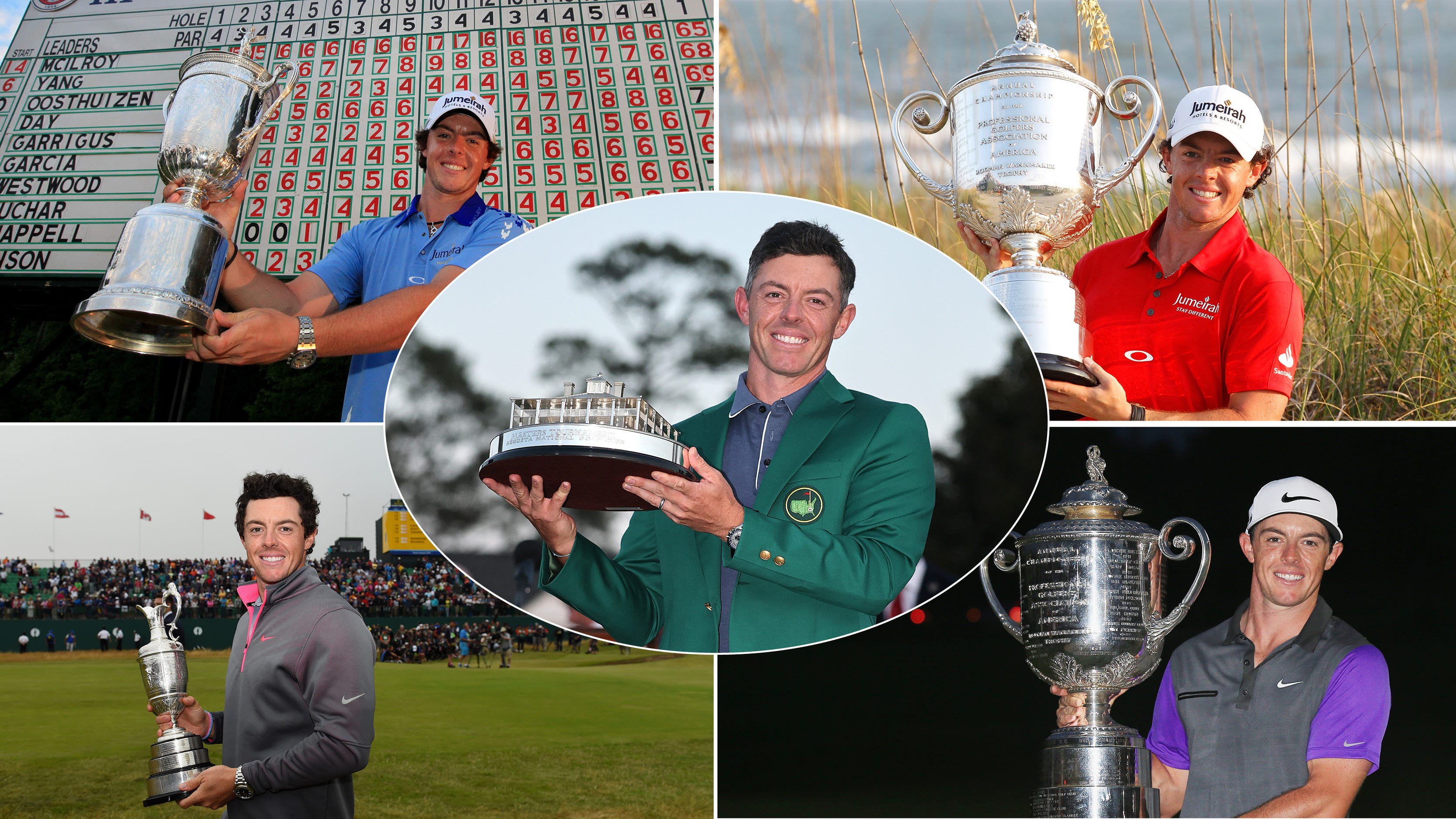
And for a little golf trivia for you, only six PGA pros have accomplished this achievement. Gene Sarazen, Ben Hogan, Gary Player, Jack Nicklaus, Tiger Woods (cuz duh), and Rory McIlroy.
So, yeah. The majors are a big deal.

☕ So where does the FedEx Cup fit into all of this and why are these points so important?
Okay so now that you know what tournaments are and what makes majors special, here’s the bigger picture.
Every single tournament a player competes in all season long, he earns FedEx Cup points based on how he finishes.
Win the tournament? Big points.
Finish top ten? Still solid points.
Miss the cut and go home Thursday night? Zero points and a very quiet drive to the airport.

Regular tournaments give the winner 500 points. Majors and The Players Championship, which is basically the unofficial fifth major and pays like one, honestly, give the winner 750 points.
The bigger the tournament, the more points on the line. So players aren’t just chasing trophies every week, they’re stacking points toward the bigger season-long picture.
Why do the points matter so much?
Because at the end of the regular season, only the top 70 players on the FedEx Cup points list make the playoffs. And if you don’t make the playoffs, you potentially lose your spot on Tour entirely, like what? That means they might not even get to play in these tournaments next year.
So that guy you see grinding on a Sunday afternoon at a random tournament in the middle of February? He’s not just playing for the trophy. He’s playing for his job. His ranking. His whole season. Every shot counts, and the FedEx Cup is why.
The playoffs themselves are a three-tournament knockout. 70 players in, then 50, then the final 30 make it to the Tour Championship in Atlanta, which is the season finale.
Winner of the Tour Championship wins the whole FedEx Cup and takes home ten million dollars. The whole season...every tournament, every major, every made cut, every Sunday grind...all of it was building to that moment.
Now you know. And watching will never be the same. ⛳ You’ll also have quite a bit of trivia you can unpack anytime a golf convo comes up.
So, that my friends is the low-down on the PGA tournaments.
I’ll be honest, there are a bit more ins and outs to these tournaments and especially the lore and the history, but I’ll break those down individually so it’s not like you’re sitting here reading War & Peace. Or, maybe it’d be called “Putts and Prosecco,” who knows...
Until next week...
Delaina